
Excerpt from; Stamp Duty Land Tax Guide For Property Investors.


Land With a Derelict Dwelling

(Strategies Using SDLT Reliefs & Classifications)

Section Summary: This section explores how buying severely derelict residential properties and reclassifying them as non-residential can result in substantial SDLT reductions.

Key Points:

  • Derelict properties may be classified as non-residential for SDLT.
  • This classification reduces SDLT compared to residential rates.

Main Principles: The main principle is to document the uninhabitable state of the property and secure planning permissions to support the non-residential SDLT classification, optimising tax liabilities for developers.

One strategy involves purchasing residential properties in a state of disrepair—so derelict that they cannot be used as a residence—and having them assessed as non-residential for stamp duty purposes. This approach can avoid the higher rates of SDLT typically associated with residential purchases.

Purchasing Derelict Residential Properties

Definition and SDLT Implications

  • A property so derelict that it cannot reasonably be used as a dwelling may be classified as non-residential for SDLT purposes.
  • This classification can substantially reduce the SDLT payable on purchase, particularly for developers looking to rebuild or refurbish on the land.

Example Scenario

Imagine a property developer, XYZ Developments Ltd., discovers a derelict building listed for sale at £1 million. The building has severe asbestos contamination, structural issues rendering it unsafe, and it’s beyond economical repair. XYZ Ltd.’s intention is to demolish the existing structure and construct new residential units.

Stamp Duty Calculations

Residential Rates (Including the 3% Higher Rate for Companies)

  • Total SDLT (Residential): £7,500 + £54,000 + £9,750 = £71,250

Non-Residential Rates

For the same £1 million purchase but classified as non-residential due to the derelict state of the building:

  • Total SDLT (Non-Residential): £0 + £2,000 + £37,500 = £39,500

PN Bewley v HMRC: A Real-World Example

The case of PN Bewley Ltd v HMRC illustrates how this strategy can work in practice. In this case, a developer purchased a property with the intention of demolishing the existing derelict house and rebuilding. The key to their SDLT reduction was the property’s condition at the time of purchase—it was so derelict that it could not be considered suitable for use as a dwelling. As a result, the transaction was assessed under non-residential SDLT rates, leading to a lower tax liability.
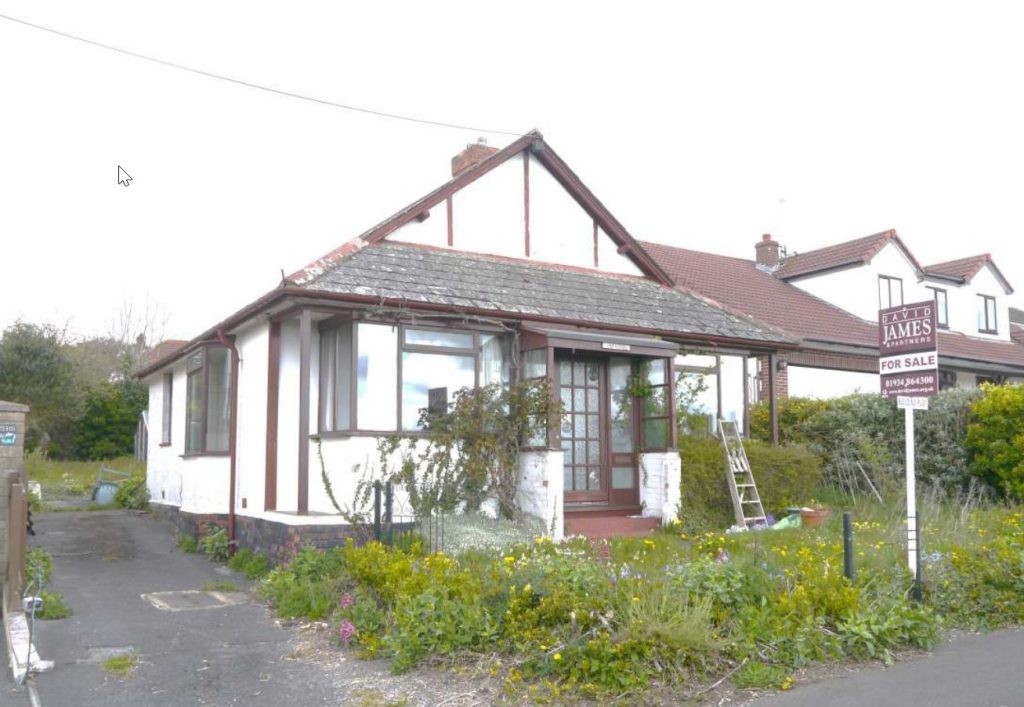
House purchased by PN Bewley. Source: David James & Partners 

Considerations for Developers

When considering the purchase of a derelict residential property for development:

  • Evidence is Key: Documenting the property’s uninhabitable state through surveys and reports can support a non-residential SDLT classification.
  • Planning Permission: Securing planning permission for demolition and new construction can further justify the non-residential classification for SDLT.

What people say

Most of these Google reviews are from people who emailed me a question and got a helpful written answer. That is step 1 below, and it is genuinely free.

Mel N profile picture
Mel N
2 months ago
Nick was fantastic to work with. I had a complicated SDLT question and he took the time to properly understand the details before giving his view. His explanations were clear, thorough, and easy to follow even on quite technical points. Would highly recommend for anyone needing land tax advice on a non-standard situation.
stevesimmance profile picture
stevesimmance
2 months ago
Nick was really helpful; clear in his timely communications and gave candid yet entirely fair and empathetic feedback on my SDLT tax matter.... exactly as i had hoped for, he is way ahead of his competition in this regard! thoroughly recommended
Lei Wang profile picture
Lei Wang
2 months ago
I am extremely grateful for the professional advice and support I received. I contacted Nick regarding a particularly complex SDLT matter and was very impressed by how knowledgeable, approachable and helpful he was. He took the time to understand the circumstances, carefully considered the information provided, and gave clear and practical advice on how best to proceed. It is not often that you come across someone who is so willing to share their expertise and genuinely help others. His advice gave me much greater confidence in dealing with the matter. I would highly recommend Nick to anyone looking for someone knowledgeable, professional and genuinely helpful. Thank you again for your time and kindness!
Kate Phillips profile picture
Kate Phillips
2 months ago
Nick was exceptionally helpful; very quick to respond with specific, clear and informed advice and very generous with his time and expertise. Thank you!
Wendy Baines profile picture
Wendy Baines
2 months ago
★★★★★ Nick was incredibly helpful in advising me on a complicated and time-sensitive SDLT issue. His responses were exceptionally prompt, clear and thorough, and he took the time to understand my individual circumstances before giving me a clear answer. I particularly appreciated that he looked at all the possible options while being completely upfront about what was and wasn’t sensible in my situation. He even advised me not to incur the cost of formal advice unless my solicitor actually required it. Professional, knowledgeable, generous with his time and genuinely helpful. I wouldn’t hesitate to recommend Nick.
See All Reviews
£350 NO VAT — Indemnified Letter of Advice
Fixed fee £350 for most letters. Complex cases up to £1,250 — always quoted in advance. Insured by Markel International up to £250,000 per claim.
Nick Garner

Conveyancer holding things up until they have written SDLT advice? I'll provide a formal, insured opinion from a registered tax agent so they can proceed.

How it works

1

Email me the details of your situation. I'll reply in writing — free of charge — with a clear explanation of your legal position.

2

You decide whether that's enough. Often the free email is all you need — you can forward it to your solicitor for their own assessment.

3

If a formal letter is needed, we go from there. I'll quote you a fixed fee before any paid work begins.

Start with step 1. No commitment, no cost — just email me your situation and I'll clarify the legal position.

✉️ Email: nick@landtaxadvice.co.uk

Replies usually the same working day. Nick Garner, registered tax agent.

[wshs_list post_type=”page” name=”” order_by=”menu_order” order=”asc” child_of =”9108″ layout=”single-column”]


